The journey of flight simulation games has been a remarkable evolution from simple concepts to a global phenomenon, captivating the imaginations of millions of players around the world. Among these games, “Flight Legends” stands out as a significant title that encapsulates the essence of flight simulation, blending realism, excitement, and community engagement. This report delves into the history of flight simulation games, focusing on the development of “Flight Legends,” its impact on the gaming industry, and its journey to becoming a global hit.
The Birth of Flight Simulation Games
The roots of flight simulation can be traced back to the early 1980s, when the first rudimentary flight simulators were developed. Titles like “Microsoft Flight Simulator” (released in 1982) provided players with a basic experience of flying aircraft and laid the groundwork for future developments. These early simulations were characterized by simple graphics and limited gameplay mechanics but sparked interest in aviation and flight among gamers.
As technology advanced, so did the complexity and realism of flight simulators. The introduction of 3D graphics in the 1990s marked a significant turning point, allowing for more immersive experiences. Games like “Flight Unlimited” and “X-Plane” offered players enhanced graphics, realistic physics, and detailed aircraft models, setting the stage for a new era of flight simulation.

The Concept of Flight Legends
The concept of “Flight Legends” emerged in the late 2010s, driven by a desire to create a flight simulation game that combined realism with engaging gameplay. The developers aimed to capture the thrill of flying while ensuring accessibility for both seasoned aviators and casual gamers. The idea was to create a game that would not only appeal to aviation enthusiasts but also attract a broader audience.
The development team conducted extensive research, studying the history of aviation, iconic aircraft, and the experiences of real pilots. They aimed to incorporate a diverse range of aircraft, from classic warplanes to modern commercial jets, and to create realistic flight dynamics that would challenge players while remaining enjoyable. The game was designed to feature dynamic weather systems, day-night cycles, and a variety of missions, from leisurely flights to intense aerial combat.
Development and Release
After several years of development, “Flight Legends” was officially released in early 2021. The launch was met with considerable anticipation, fueled by a robust marketing campaign that highlighted the game’s unique features and immersive gameplay. The developers utilized social media platforms, gaming conventions, and influencer partnerships to generate buzz and engage potential players.
Upon release, “Flight Legends” received positive reviews from critics and players alike. The game was praised for its stunning graphics, realistic flight mechanics, and engaging multiplayer features. Players could explore vast open worlds, participate in cooperative missions, and compete in aerial challenges, fostering a sense of community and camaraderie among aviation enthusiasts.
Community Engagement and Expansion
One of the key factors contributing to the success of “Flight Legends” was its commitment to community engagement. The developers actively sought feedback from players, incorporating suggestions and addressing concerns through regular updates and patches. This approach not only improved the game but also fostered a loyal player base that felt invested in the game’s development.
Additionally, the developers hosted various events, including virtual airshows, competitions, and community challenges, further enhancing player engagement. These events allowed players to showcase their skills, connect with fellow aviation enthusiasts, and foster a sense of belonging within the “Flight Legends” community.
The Impact on the Gaming Industry
“Flight Legends” has had a significant impact on the gaming industry, particularly within the flight simulation genre. Its success has inspired other developers to explore flight simulation, leading to a resurgence of interest in aviation-themed games. The game’s blend of realism and accessibility has set a new standard, encouraging developers to innovate and push the boundaries of what flight simulations can offer.
Moreover, “Flight Legends” has contributed to the growth of virtual reality (VR) in flight simulation. The developers recognized the potential of VR technology to enhance the immersive experience and introduced compatibility with popular VR headsets. This move opened up new possibilities for players, allowing them to experience flight in a way that closely mimics real-life aviation.
Global Reach and Cultural Impact
The global reach of “Flight Legends” is a testament to its appeal across diverse demographics. The game has been translated into multiple languages, making it accessible to players worldwide. Its success in various regions has sparked interest in aviation and flight simulation, inspiring a new generation of gamers to explore the skies.
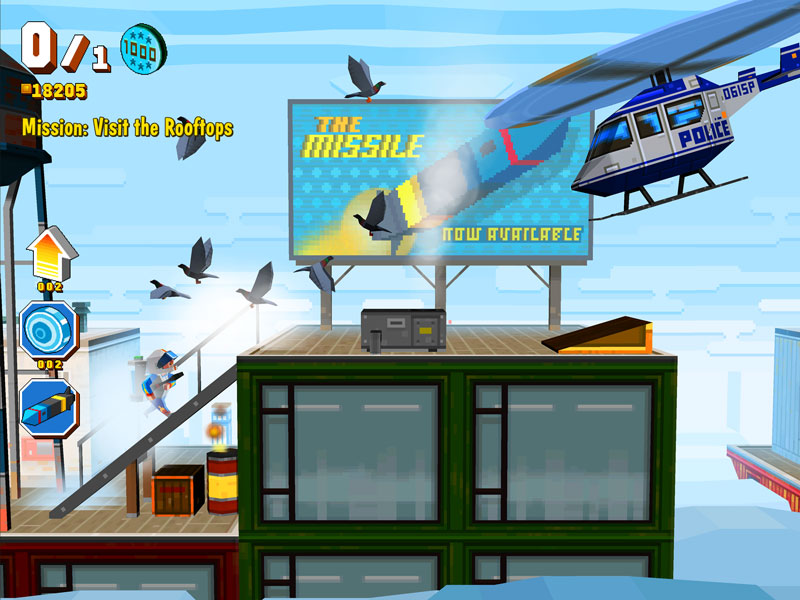
Additionally, “Flight Legends” has made cultural impacts beyond the gaming community. The game has been featured in aviation expos, educational programs, and even pilot training courses, demonstrating its potential as a tool for learning and engagement. The developers have collaborated with aviation organizations to promote awareness of flight safety and aviation history, further solidifying the game’s place in the broader cultural landscape.
Conclusion
The history of flight simulation games is a testament to the evolution of technology and creativity in the gaming industry. “Flight Legends” has emerged as a landmark title, successfully blending realism, accessibility, and community engagement to create a global hit. Its impact extends beyond entertainment, inspiring interest in aviation and fostering a sense of community among players worldwide. As the gaming industry continues to evolve, “Flight Legends” stands as a shining example of how a well-crafted concept can take flight and soar to new heights, captivating audiences for years to come.